
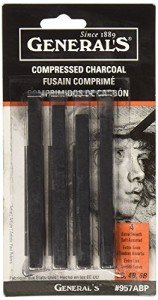

The world of art is not just a realm of creativity and aesthetics; it's also a landscape rich in scientific wonder. The brushes that glide across canvases, the pencils that sketch dreams into reality, and the myriad of paints that bring color to our world - each of these art supplies harbors a fascinating story of scientific composition. In this exploration, we delve into the science behind these materials, unraveling the mysteries that transform simple substances into conduits of creativity.
Pencils: Graphite and Beyond
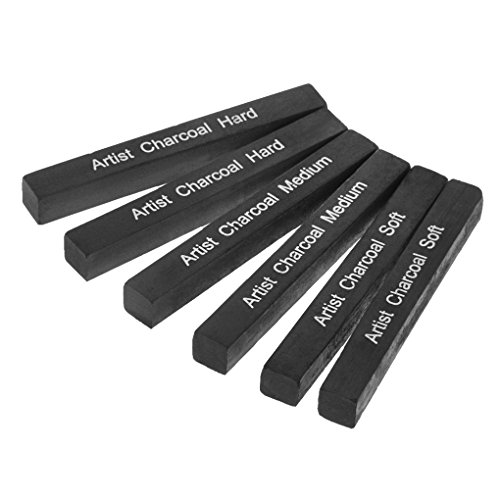
Pencils, the quintessential tool for artists and writers alike, are more than just simple instruments. At their core lies graphite, a form of carbon known for its ability to leave a mark with the slightest touch. However, the graphite in pencils isn't pure; it's mixed with clay. The ratio of graphite to clay determines the hardness of the pencil, which in turn affects the darkness of the line it produces. From the soft, dark lines of a 6B pencil to the light, hard strokes of a 4H, the science of graphite and clay ratios is pivotal in creating a range of pencils suitable for various artistic needs.
Paints: A Symphony of Chemicals
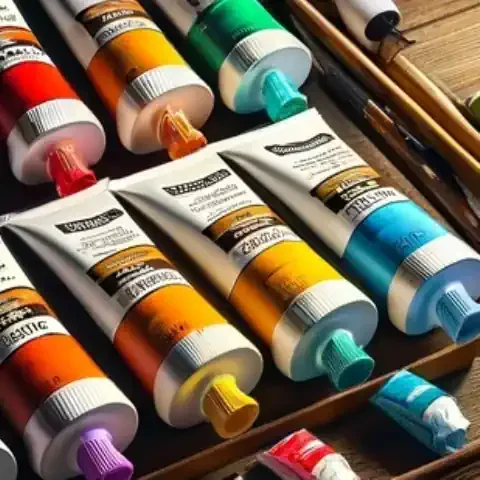
Diving into paints reveals a kaleidoscope of chemistry. Traditional oil paints are a blend of pigments and drying oils, like linseed or walnut oil. The pigments provide color - these can be anything from natural substances like ochre or ultramarine to synthetic compounds. Modern acrylic paints, on the other hand, use pigments suspended in a polymer emulsion. These paints dry faster than oil paints, thanks to the quick evaporation of water from the emulsion, leaving a stable acrylic polymer with the pigment fixed in place.
The science of paint extends beyond just oils and acrylics. Watercolors, with their delicate and translucent qualities, consist of pigments suspended in a water-soluble binder, usually gum arabic. The interaction between the pigment, binder, and water results in the unique, flowing characteristics of watercolor paints.
Canvas and Paper: The Fabric of Art
The canvas, a staple in painting, has its own scientific story. Traditionally made from hemp or linen, modern canvases are often crafted from cotton or synthetic materials. The type of fabric and its preparation - including stretching and priming - play a crucial role in how the paint adheres and behaves on the canvas. Similarly, paper, the foundation for sketches and watercolors, comes in various compositions, weights, and textures, each influencing the final outcome of the artwork. The sizing of the paper, which involves adding substances like gelatin, affects its absorbency and smoothness.
Chemical Safety in Art Supplies
An essential aspect of the science behind art supplies is the consideration of their chemical safety. Many pigments, especially historical ones like lead white or cadmium red, are toxic. The art world has increasingly moved towards safer, non-toxic alternatives, understanding that the health of the artist is as important as the quality of the materials.
The Environmental Impact
The production and disposal of art supplies also have environmental implications. The sourcing of materials, the energy used in manufacturing, and the potential for pollution are areas of growing concern. Eco-friendly art supplies, made from sustainable and non-toxic materials, are gaining popularity, reflecting a conscientious shift in the art community.
A Blend of Art and Science
Art supplies are a testament to the symbiosis between art and science. The materials artists use are grounded in scientific principles, from the molecular structure of pigments to the physical properties of canvases and papers. Understanding the science behind these materials not only enhances our appreciation of the art they create but also highlights the importance of innovation and safety in their development. As we continue to explore and experiment with new materials, the boundary between art and science becomes ever more intertwined, driving creativity to new, uncharted territories.
This exploration into the science of art supplies reveals a world where creativity meets chemistry, where every brushstroke and pencil line is a testament to the intricate dance of science and art. By understanding the material composition of these supplies, we gain a deeper appreciation of the art they create, a fusion of beauty and knowledge that continues to inspire and amaze.