
Introduction
In the vast world of visual arts, where creativity knows no bounds, artists face a multitude of choices that shape their artistic journey. Among these pivotal decisions lies the selection of the canvas—a fundamental element that profoundly influences the outcome of their creations. Understanding the diverse range of canvas types, materials, and characteristics is essential for artists seeking to express themselves authentically while ensuring the longevity and quality of their artworks. This comprehensive article delves deep into the world of canvas, offering thorough insights to empower artists in their creative endeavors.
Understanding Canvas Basics
Definition of Canvas
Canvas, both in its literal and metaphorical sense, serves as the blank canvas upon which artists manifest their visions. It is a durable woven fabric that forms the substrate for painting. However, beyond its utilitarian function, canvas embodies a rich history of artistic tradition, craftsmanship, and expression.
Types of Canvas Materials
Cotton Canvas: Renowned for its affordability and versatility, cotton canvas is a staple choice among artists. Its smooth texture provides an ideal surface for various painting techniques, making it accessible to artists of all skill levels. Cotton canvas comes in a range of weights, from lightweight options suitable for studies and sketches to heavyweight variants preferred for large-scale works. Additionally, cotton canvas is known for its absorbency, which allows paints to adhere well and colors to appear vibrant.
Linen Canvas: Considered the epitome of canvas materials, linen offers unparalleled strength, durability, and archival stability. Woven from the fibers of the flax plant, linen canvas boasts a distinct texture and tooth that enhances paint adhesion and imparts a sense of luxury to the artistic process. While pricier than cotton, its superior quality and longevity make it a preferred choice for professional artists seeking to create enduring masterpieces. Linen canvas is renowned for its durability, with the ability to withstand heavy paint applications and frequent handling without sagging or warping.
Synthetic Fabrics: With advancements in textile technology, synthetic canvas fabrics have emerged as viable alternatives for artists seeking affordability, consistency, and resistance to environmental factors. Crafted from polyester or poly-cotton blends, synthetic canvases offer uniform surfaces suitable for precise detailing and printing applications. While lacking the organic charm of natural fibers, synthetic canvases provide reliable performance and durability. Additionally, synthetic canvases often come pre-primed, reducing the need for additional surface preparation before painting.
Canvas Weaves
The weave of a canvas profoundly influences its texture and surface characteristics, thereby impacting the artist's technique and aesthetic expression.
Plain Weave: Also known as tabby weave, plain weave canvas features a simple over-and-under pattern, resulting in a smooth and uniform surface. It is the most common weave for canvas and provides a versatile foundation for various painting styles and techniques. The smooth surface of plain weave canvas is particularly well-suited for detailed work and precise brush control.
Twill Weave: Twill weave canvas is characterized by diagonal lines or ridges created by a distinctive weaving pattern. This weave offers more texture and depth than plain weave canvas, making it suitable for artists seeking a more tactile surface for their paintings. The diagonal ridges of twill weave canvas can enhance the visual interest of the artwork, adding dimensionality to brushstrokes and creating dynamic surface effects.
Duck Weave: Duck canvas, also referred to as canvas duck or duck cloth, is woven with a coarse, durable texture that lends itself well to heavy-duty applications. While less common in fine art contexts, duck canvas is favored by artists working on large-scale or outdoor projects due to its robustness and resistance to wear and tear. The sturdy construction of duck canvas makes it suitable for priming and stretching on custom-built frames, allowing artists to create oversized artworks with confidence.
Factors to Consider When Choosing a Canvas
Navigating the vast landscape of canvas options requires careful consideration of various factors that impact the artistic process and outcome.
Budget
Balancing artistic aspirations with financial constraints is a perpetual challenge for artists. While premium materials may offer superior quality and longevity, budget-friendly alternatives can provide a practical solution for artists at different stages of their careers.
Cotton Canvas: Cotton canvas is the most budget-friendly option, making it ideal for students, hobbyists, and artists on a tight budget. Its affordability allows artists to experiment with different techniques and styles without breaking the bank. However, artists should be mindful of the quality of cotton canvas, as lower-grade options may be prone to sagging and deterioration over time.
Linen Canvas: Linen canvas commands a higher price point due to its superior quality and longevity. Professional artists seeking to create museum-quality artworks or preserve their pieces for generations often invest in linen canvases for their archival stability and distinctive texture. While the initial cost may be higher, the durability and longevity of linen canvas make it a cost-effective choice in the long run.
Synthetic Canvas: Synthetic canvas fabrics offer a middle ground between affordability and performance. While generally less expensive than linen, synthetic canvases provide consistent quality and durability, making them suitable for artists seeking reliable painting surfaces without significant cost. Additionally, synthetic canvases often come pre-primed, reducing the need for additional surface preparation before painting.
Purpose of the Artwork
The intended context and lifespan of the artwork influence the choice of canvas material and quality. For pieces intended for long-term display or archival preservation, investing in high-quality, archival-grade materials is advisable.
Fine Art Painting: For artworks intended for exhibition in galleries or museums, archival-quality materials are essential to ensure longevity and preservation. Professional artists often opt for linen canvases for their superior quality and archival stability, especially for commissioned pieces or artworks intended for sale. The archival properties of linen canvas ensure that the artwork will retain its integrity and vibrancy for generations to come, making it a worthwhile investment for serious artists.
Student Work and Practice Pieces: For students, beginners, and artists experimenting with new techniques, budget-friendly options such as cotton canvas panels or rolls provide an affordable solution for practice pieces and studies. While these materials may lack the archival quality of linen, they offer a cost-effective way to hone one's skills without sacrificing quality. Additionally, practicing on lower-grade materials allows artists to explore different techniques and styles without the pressure of creating finished, exhibition-worthy artworks.
Outdoor and Large-Scale Projects: For outdoor painting sessions or large-scale projects, durability and portability are key considerations. Synthetic canvases or heavy-duty cotton duck canvas rolls are well-suited for outdoor painting due to their resistance to moisture, temperature fluctuations, and wear and tear. Artists working on large-scale projects may also opt for canvas rolls to customize the size and dimensions of their painting surfaces according to their specific needs.
Painting Medium
Different painting mediums interact differently with canvas surfaces, necessitating consideration of compatibility and surface preparation. Whether working with oils, acrylics, watercolors, or mixed media, artists must select canvases that complement their chosen medium.
Oil Painting: Traditional stretched canvases or linen canvas panels are ideal for oil painting, as they provide a stable surface with sufficient tooth for paint adhesion. Properly priming the canvas with gesso ensures a smooth, absorbent surface that allows oil paints to adhere and dry effectively. Linen canvas is particularly well-suited for oil painting, as its strong, durable fibers can withstand the heavy application of oil paints and frequent manipulation of the paint surface.
Acrylic Painting: Acrylic paints are versatile and can be applied to a variety of surfaces, including canvas, paper, wood, and fabric. Stretched cotton or linen canvases primed with acrylic gesso provide an ideal surface for acrylic painting, offering the right balance of absorbency and texture for optimal paint adhesion and color vibrancy. Acrylic gesso creates a smooth, non-absorbent surface that allows acrylic paints to glide smoothly and retain their brilliance without sinking into the canvas fibers.
Watercolor Painting: While traditional watercolor paper is the preferred substrate for watercolor painting, some artists may choose to experiment with watercolor canvas or canvas paper for its unique texture and absorbency. Watercolor canvas panels or rolls specially designed for water-based media offer a convenient alternative for artists seeking to combine the spontaneity of watercolor with the durability of canvas. The texture of watercolor canvas mimics the surface of traditional watercolor paper, allowing artists to achieve similar effects and techniques while working on canvas.
Mixed Media Art: Mixed media artists often work with a combination of painting, drawing, collage, and other techniques, requiring a versatile surface that can withstand various media and processes. Canvas panels or boards provide a sturdy, portable substrate for mixed media artworks, allowing artists to layer, collage, and experiment with different materials and textures. The rigid surface of canvas panels is ideal for adhering collage elements and building up layers of paint and mixed media without the risk of warping or buckling.
Size and Shape
The dimensions and aspect ratio of the canvas play a crucial role in composition and visual impact. Artists should consider the scale of their artworks, as well as any specific size or shape requirements dictated by their artistic vision or exhibition space.
Standard Sizes: Canvas panels, boards, and stretched canvases are available in a range of standard sizes, including 8x10, 11x14, 16x20, and 24x36 inches. These standard sizes are commonly used for convenience and compatibility with off-the-shelf frames and display options. Artists working within the constraints of standard sizes may find it easier to source frames and display options for their artworks, simplifying the presentation process.
Custom Sizes: Artists seeking unique or non-standard dimensions may opt for custom-cut canvas panels, rolls, or stretched canvases. Custom sizing allows artists to create artworks tailored to their specific vision, whether it be oversized statement pieces or small-scale intimate studies. Custom-sized canvases offer greater flexibility and creative freedom, allowing artists to explore unconventional compositions and formats that suit their artistic style and intent.
Aspect Ratio: The aspect ratio of the canvas refers to the proportional relationship between its width and height. Artists should consider the aspect ratio when composing their artworks to ensure visual harmony and balance. Common aspect ratios include 4:3 (standard), 16:9 (widescreen), and 1:1 (square). The aspect ratio of the canvas influences the overall composition of the artwork, dictating how elements are arranged within the frame and how the viewer's eye moves across the surface. Artists may choose aspect ratios that complement their subject matter or convey a particular mood or aesthetic.
Surface Texture
Texture adds depth and dimension to artworks, influencing brushstroke dynamics and paint application. Artists may opt for smooth surfaces for detailed work or textured canvases to enhance visual interest and tactile sensation.
Smooth Surfaces: Canvas panels and boards with smooth, finely primed surfaces provide an ideal substrate for detailed paintings and fine lines. The absence of texture allows for precise brush control and smooth color transitions, making it suitable for realistic or hyper-realistic styles. Smooth surfaces are also conducive to intricate drawing techniques, such as graphite or colored pencil, allowing artists to achieve precise detail and subtle gradations of tone.
Textured Surfaces: Canvases with textured surfaces, such as linen or rough cotton, offer opportunities for expressive mark-making and impasto techniques. The visible weave or tooth of the canvas adds visual interest and depth to the artwork, creating dynamic surface effects and tactile sensations. Textured surfaces are well-suited for bold, gestural brushwork and thick applications of paint, allowing artists to build up layers of color and texture with ease. Additionally, textured surfaces can add visual complexity to abstract and non-representational artworks, enhancing the overall visual impact and emotional resonance of the piece.
Custom Texture: Some artists may choose to create custom texture on their canvases using techniques such as gesso application, sanding, or layering textured mediums. Custom texture allows artists to tailor the surface to their specific aesthetic preferences and painting techniques, adding a personal touch to their artworks. By manipulating the surface texture of the canvas, artists can create unique visual effects and explore new possibilities for creative expression. Custom texture can also be used to evoke specific textures or surfaces found in nature or to convey a particular mood or atmosphere in the artwork.
Popular Canvas Types and Their Characteristics
Stretched Canvas
Traditional Stretched Canvas: Characterized by its wooden stretcher bars and taut canvas surface, traditional stretched canvases offer a classic painting substrate suitable for a wide range of artistic styles and mediums. The canvas is stretched tightly over the wooden frame and secured with staples or tacks, providing a stable surface for painting. Traditional stretched canvases are available in a variety of sizes and depths, allowing artists to choose the option that best suits their artistic vision and preferences.
Pros: Versatile, ready-to-use, suitable for framing. Traditional stretched canvases provide a stable surface for painting and are compatible with a wide range of painting mediums, including oils, acrylics, and mixed media. The stretched canvas can be easily framed or displayed without additional support, making it a convenient option for artists seeking a traditional painting surface.
Cons: Limited size options, susceptibility to warping over time. Traditional stretched canvases are available in standard sizes, which may not accommodate artists seeking custom dimensions or oversized formats. Additionally, stretched canvases may be prone to warping or sagging over time, especially if exposed to fluctuations in temperature and humidity. Proper storage and handling can help minimize the risk of warping, but artists should be aware of this potential issue when selecting stretched canvases for their artworks.
Gallery Wrap Canvas: Featuring thicker stretcher bars and wrapped edges, gallery wrap canvases provide a contemporary aesthetic with no visible staples or framing required. They are ideal for creating immersive, frameless artworks intended for display without additional framing. Gallery wrap canvases are stretched with the image or design continuing around the edges, creating a seamless appearance that enhances the visual impact of the artwork.
Pros: Modern aesthetic, ready for display, no framing required. Gallery wrap canvases offer a sleek, contemporary presentation that suits a wide range of artistic styles and genres. The wrapped edges of the canvas provide a clean, finished look that eliminates the need for framing, making gallery wrap canvases a popular choice among artists seeking a streamlined presentation for their artworks.
Cons: Limited framing options, potential for image distortion on wrapped edges. While gallery wrap canvases offer a minimalist, frameless presentation, they may not be suitable for all artworks or display environments. The wrapped edges of the canvas can distort the image or design, especially if crucial elements are located near the edges. Additionally, gallery wrap canvases may limit framing options for artists who prefer traditional framing methods or desire additional protection for their artworks.
Canvas Panels and Boards
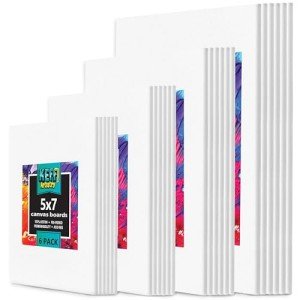
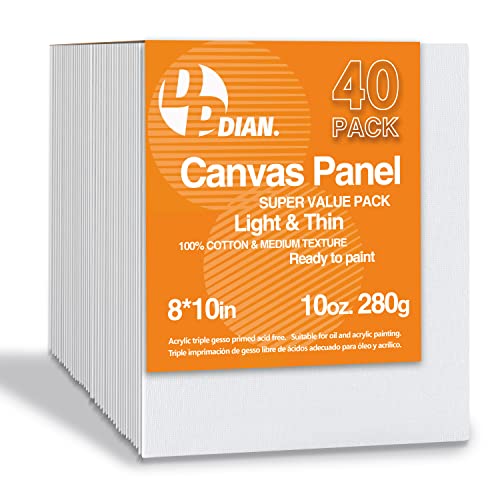
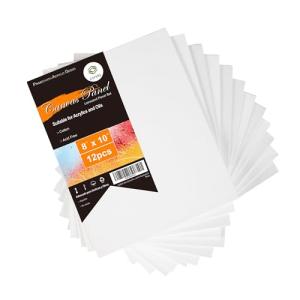
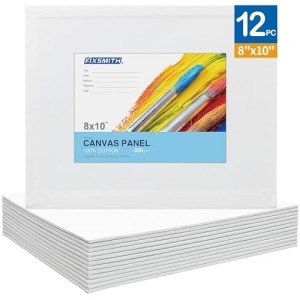
Canvas panels and boards offer a rigid, portable alternative to traditional stretched canvases, making them popular among plein air painters, students, and artists seeking convenience and affordability.
Canvas Panels: Canvas panels consist of canvas stretched and glued onto a rigid backing, such as masonite or cardboard. They provide a sturdy painting surface that is lightweight and portable, making them ideal for outdoor painting sessions or travel. Canvas panels are available in various sizes and thicknesses, allowing artists to choose the option that best suits their artistic needs.
Pros: Lightweight, portable, affordable. Canvas panels are lightweight and easy to transport, making them ideal for plein air painting, outdoor sketching, or travel. They are also more affordable than traditional stretched canvases, making them a cost-effective option for students, beginners, and artists on a budget.
Cons: Prone to warping, less durable than stretched canvases. Canvas panels are susceptible to warping or bending, especially if exposed to moisture or humidity. While the rigid backing provides some support, canvas panels may warp or bow over time, affecting the integrity of the artwork. Additionally, the thin profile of canvas panels may make them less durable than stretched canvases, especially for heavy paint applications or aggressive painting techniques.
Canvas Boards: Canvas boards are similar to canvas panels but are typically made with a thicker, sturdier backing material, such as masonite or wood. They offer increased durability and stability compared to canvas panels, making them suitable for artists seeking a more robust painting surface. Canvas boards are available in various sizes and thicknesses, allowing artists to choose the option that best suits their artistic needs.
Pros: Durable, stable painting surface. Canvas boards provide a sturdy painting surface that is resistant to warping or bending, making them suitable for heavy paint applications or aggressive painting techniques. The thicker backing material provides added stability and support, ensuring the longevity of the artwork. Canvas boards are also available in larger sizes than canvas panels, allowing artists to work on larger-scale projects with confidence.
Cons: Heavier and less portable than canvas panels. Canvas boards are heavier and less portable than canvas panels due to their thicker backing material. While they offer increased durability and stability, canvas boards may be less convenient for plein air painting or travel. Artists should consider their transportation and storage needs when selecting between canvas panels and canvas boards for their artworks.
Canvas Rolls
Canvas rolls provide flexibility in size and format, allowing artists to customize their painting surfaces according to their preferences. They are often used by artists who prefer to stretch their own canvases or require larger dimensions than pre-made options offer.
Canvas Rolls: Canvas rolls consist of unprimed or pre-primed canvas fabric rolled onto a cylindrical core for easy storage and transportation. Artists can cut the canvas to their desired size and stretch it onto a wooden frame or painting surface, allowing for custom sizing and format. Canvas rolls are available in various widths and lengths, offering flexibility and versatility for artists seeking to create artworks of different dimensions and proportions.
Pros: Customizable size and shape, cost-effective for large-scale works. Canvas rolls allow artists to create custom-sized canvases tailored to their specific artistic vision and preferences. The ability to cut the canvas to any desired size and shape provides flexibility and freedom for experimentation and creativity. Additionally, canvas rolls are often more cost-effective than pre-made canvases, making them an economical choice for artists working on large-scale projects or in need of multiple canvases.
Cons: Requires stretching and priming, storage space needed for rolls. While canvas rolls offer flexibility and cost-effectiveness, they require additional preparation before use. Artists must stretch and prime the canvas fabric onto a wooden frame or painting surface, a process that requires time, skill, and materials. Additionally, canvas rolls take up more storage space than pre-made canvases due to their cylindrical shape, requiring adequate storage solutions to protect the canvas from damage and deterioration.
Specialty Canvases
Specialty canvases cater to specific artistic needs and techniques, such as watercolor canvas, acrylic-primed canvas, and canvas textured paper. These tailored surfaces provide optimal performance and compatibility with particular mediums.
Watercolor Canvas: Watercolor canvas is specially designed to mimic the texture and absorbency of traditional watercolor paper while offering the durability and stability of canvas. It features a unique surface that allows watercolor paints to flow and spread smoothly, creating vibrant washes and delicate gradations of color. Watercolor canvas is available in various weights and textures, allowing artists to choose the option that best suits their painting style and preferences.
Pros: Mimics the texture and absorbency of watercolor paper. Watercolor canvas provides a surface that is ideal for watercolor painting, allowing artists to achieve similar effects and techniques as they would on traditional watercolor paper. The canvas substrate offers increased durability and stability compared to paper, making it suitable for framing, display, and long-term preservation.
Cons: Limited availability, may be more expensive. Watercolor canvas may be less readily available than traditional watercolor paper, especially in art supply stores. Artists may need to purchase watercolor canvas online or through specialty retailers, which can be more expensive than standard watercolor paper. However, the benefits of watercolor canvas, such as its durability, stability, and archival quality, may outweigh the higher cost for artists seeking a reliable painting surface for their watercolor artworks.
Acrylic-Primed Canvas: Acrylic-primed canvas is specially formulated with a layer of acrylic gesso primer that provides a smooth, non-absorbent surface for painting with acrylics. The acrylic primer creates a barrier between the canvas fabric and the paint, preventing the acrylics from sinking into the fibers and ensuring vibrant color saturation and crisp brushstrokes. Acrylic-primed canvas is available in various weights and textures, allowing artists to choose the option that best suits their painting style and preferences.
Pros: Provides a smooth, non-absorbent surface for acrylic painting. Acrylic-primed canvas offers an ideal surface for painting with acrylics, allowing artists to achieve smooth, even layers of paint with excellent color retention and adhesion. The acrylic primer creates a barrier that prevents the paint from soaking into the canvas fabric, resulting in vibrant colors and crisp brushstrokes. Acrylic-primed canvas is also compatible with other painting mediums, such as oils and mixed media, making it a versatile option for artists working across different mediums.
Cons: Limited availability, may be more expensive. Acrylic-primed canvas may be less readily available than standard primed canvas, especially in art supply stores. Artists may need to purchase acrylic-primed canvas online or through specialty retailers, which can be more expensive than traditional canvas. However, the benefits of acrylic-primed canvas, such as its smooth surface and excellent paint adhesion, may justify the higher cost for artists seeking optimal performance and quality in their acrylic paintings.
Pros and Cons of Each Canvas Type
Stretched Canvas
Pros: Versatile, ready-to-use, suitable for framing. Traditional stretched canvases provide a stable surface for painting and are compatible with a wide range of painting mediums, including oils, acrylics, and mixed media. The stretched canvas can be easily framed or displayed without additional support, making it a convenient option for artists seeking a traditional painting surface.
Cons: Limited size options, susceptibility to warping over time. Traditional stretched canvases are available in standard sizes, which may not accommodate artists seeking custom dimensions or oversized formats. Additionally, stretched canvases may be prone to warping or sagging over time, especially if exposed to fluctuations in temperature and humidity. Proper storage and handling can help minimize the risk of warping, but artists should be aware of this potential issue when selecting stretched canvases for their artworks.
Canvas Panels and Boards
Pros: Lightweight, portable, affordable. Canvas panels are lightweight and easy to transport, making them ideal for plein air painting, outdoor sketching, or travel. They are also more affordable than traditional stretched canvases, making them a cost-effective option for students, beginners, and artists on a budget.
Cons: Prone to warping, less durable than stretched canvases. Canvas panels are susceptible to warping or bending, especially if exposed to moisture or humidity. While the rigid backing provides some support, canvas panels may warp or bow over time, affecting the integrity of the artwork. Additionally, the thin profile of canvas panels may make them less durable than stretched canvases, especially for heavy paint applications or aggressive painting techniques.
Canvas Rolls
Pros: Customizable size and shape, cost-effective for large-scale works. Canvas rolls allow artists to create custom-sized canvases tailored to their specific artistic vision and preferences. The ability to cut the canvas to any desired size and shape provides flexibility and freedom for experimentation and creativity. Additionally, canvas rolls are often more cost-effective than pre-made canvases, making them an economical choice for artists working on large-scale projects or in need of multiple canvases.
Cons: Requires stretching and priming, storage space needed for rolls. While canvas rolls offer flexibility and cost-effectiveness, they require additional preparation before use. Artists must stretch and prime the canvas fabric onto a wooden frame or painting surface, a process that requires time, skill, and materials. Additionally, canvas rolls take up more storage space than pre-made canvases due to their cylindrical shape, requiring adequate storage solutions to protect the canvas from damage and deterioration.
Specialty Canvases
Pros: Tailored for specific mediums, optimized performance. Specialty canvases are designed to meet the unique needs and requirements of specific painting mediums and techniques, such as watercolor, acrylic, and mixed media. They offer enhanced performance, durability, and compatibility with particular mediums, allowing artists to achieve optimal results in their artworks.
Cons: Limited availability, may be more expensive. Specialty canvases may be less readily available than standard canvases, especially in art supply stores. Artists may need to purchase specialty canvases online or through specialty retailers, which can be more expensive than traditional canvas. However, the benefits of specialty canvases, such as their tailored surfaces and optimized performance, may justify the higher cost for artists seeking the best possible results in their artworks.
Tips for Maintaining Canvas Quality
Storage
Proper storage of canvases ensures their longevity and protects them from damage due to environmental factors such as light, humidity, and temperature fluctuations. Canvases should be stored flat or upright in a dry, cool environment away from direct sunlight and moisture.
Handling
Careful handling during transport and installation prevents dents, scratches, and other damage that could compromise the integrity of the artwork. Canvases should be handled with clean hands and lifted from the sides or corners to avoid putting pressure on the painted surface.
Preservation
Applying a protective varnish or fixative to finished artworks helps seal and safeguard the surface from dust, dirt, and UV damage, ensuring their longevity and vibrancy over time. Varnishing should be done after the painting is completely dry and cured to prevent cracking or yellowing of the varnish.
Case Studies and Artist Insights
Case Study: Landscape Painting
Artist Profile: Emily Johnson, Landscape Painter
Canvas Type: Linen Stretched Canvas
Emily Johnson, a seasoned landscape painter renowned for her evocative depictions of natural scenery, shares her insights into canvas selection and its impact on her artistic practice. With a penchant for capturing the subtle interplay of light and shadow in the great outdoors, Emily's choice of canvas plays a pivotal role in translating her vision onto the painted surface.
Background:
Emily's journey as an artist began amidst the rolling hills and verdant landscapes of her rural upbringing. Inspired by the beauty of nature, she honed her skills through years of observation and practice, cultivating a deep appreciation for the nuanced textures and colors found in the natural world.
Canvas Selection:
For Emily, the choice of canvas is as much about tactile experience as it is about archival quality. She favors linen stretched canvases for their superior texture, durability, and archival stability. The natural weave of linen canvas provides an organic surface that complements her painting style, allowing her to capture the intricate details of landscapes with precision and depth.
Insights:
Texture and Tooth: The textured surface of linen canvas adds depth and dimension to Emily's landscapes, enhancing the visual interest and tactile sensation of her paintings. The tooth of the canvas allows her brushstrokes to glide effortlessly, imbuing her artworks with a sense of spontaneity and vitality.
Durability and Archival Quality: As a professional artist committed to preserving her legacy, Emily values the archival stability of linen canvas. Its robust construction and resistance to deterioration ensure that her artworks will stand the test of time, retaining their vibrancy and integrity for future generations to enjoy.
Aesthetic Considerations: Beyond practical considerations, Emily appreciates the aesthetic qualities of linen canvas, from its subtle variations in texture to its warm, earthy tone. The natural beauty of linen enhances the overall presentation of her artworks, creating a harmonious union between form and content.
For Emily Johnson, the choice of canvas is a deeply personal and integral aspect of her artistic process. Through her thoughtful selection of linen stretched canvases, she elevates her landscape paintings to new heights, capturing the essence of nature with passion and authenticity.
Artist Insights: Mixed Media Art
Artist Profile: Javier Rodriguez, Mixed Media Artist
Canvas Type: Canvas Panels
Javier Rodriguez, a versatile mixed media artist renowned for his experimental approach and eclectic style, shares his perspective on canvas selection and its role in his creative journey. With a penchant for pushing the boundaries of traditional art forms, Javier's use of canvas panels reflects his innovative spirit and quest for artistic discovery.
Background:
Javier's artistic journey is marked by a spirit of exploration and innovation. Drawing inspiration from diverse sources, ranging from street art to classical sculpture, he embraces a multidisciplinary approach to artmaking, incorporating a wide range of materials and techniques into his practice.
Canvas Selection:
For Javier, canvas panels offer the perfect balance of versatility, portability, and affordability. Their rigid surface provides a stable foundation for his mixed media artworks, allowing him to experiment with various materials, including acrylics, collage, and found objects. Canvas panels also offer the convenience of pre-primed surfaces, reducing the need for extensive preparation before painting.
Insights:
Versatility and Adaptability: Canvas panels serve as a blank canvas for Javier's boundless creativity, accommodating a diverse range of materials and techniques. Whether layering paint, collage, or texture paste, the smooth surface of canvas panels provides a versatile substrate for his artistic explorations.
Portability and Convenience: As a working artist constantly on the move, Javier appreciates the portability of canvas panels. Lightweight and compact, they allow him to create art anywhere, from the confines of his studio to the bustling streets of the city. Their ready-to-use format eliminates the need for bulky easels or stretching equipment, streamlining his creative process.
Affordability and Accessibility: Canvas panels offer an affordable alternative to traditional stretched canvases, making them accessible to artists of all backgrounds and budgets. For Javier, this accessibility opens up new possibilities for experimentation and innovation, empowering him to explore new ideas and techniques without financial constraints.
For Javier Rodriguez, canvas panels are not just a painting surface but a gateway to artistic freedom and expression. Through their adaptable nature and accessibility, they enable him to push the boundaries of mixed media art, blurring the lines between disciplines and forging new paths of creative exploration.
Conclusion
The selection of the perfect canvas is a nuanced process that requires careful consideration of artistic objectives, practical requirements, and personal preferences. By understanding the diverse array of canvas types available and their respective characteristics, artists can make informed decisions that enhance their creative process and ensure the longevity and quality of their artworks. Whether opting for traditional stretched canvases, convenient canvas panels, versatile canvas rolls, or specialty canvases tailored to specific techniques, artists have a myriad of options to explore. As they continue to push the boundaries of creativity and innovation, the canvas remains an indispensable tool for artistic expression, inspiring and transforming the world around us.
Through the case studies of Emily Johnson and Javier Rodriguez, we gain valuable insights into the role of canvas selection in shaping artistic practice and expression. From the rugged landscapes of Emily's oil paintings to the eclectic mixed media creations of Javier, canvas serves as a blank canvas upon which artists manifest their visions and explore the boundless possibilities of creativity. Whether opting for linen stretched canvases or canvas panels, each artist finds resonance with their chosen medium, harnessing its unique characteristics to breathe life into their artworks. As artists continue to innovate and evolve, the canvas remains an indispensable tool and timeless symbol of artistic endeavor, inspiring and captivating audiences for generations to come.