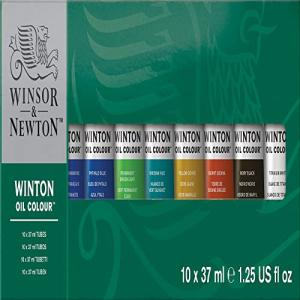
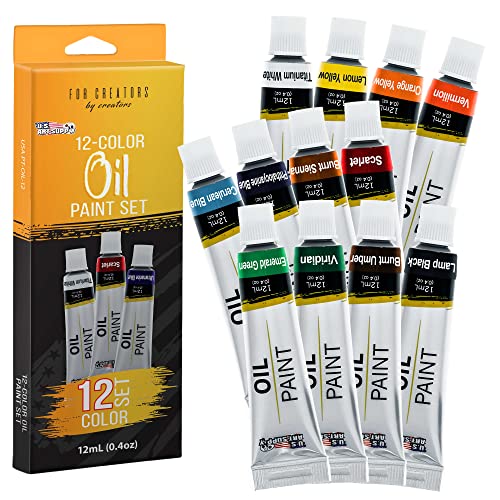
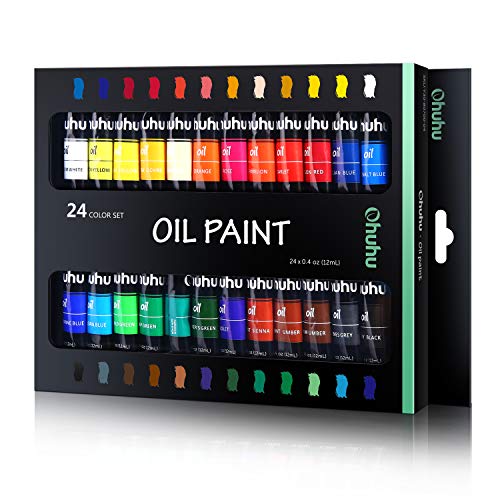
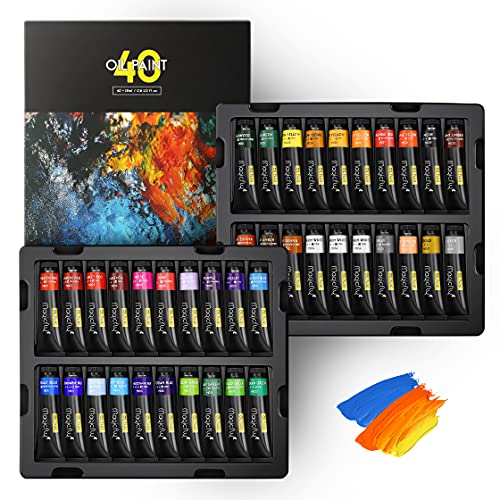



Oil paints, revered for their luminous qualities, versatility, and centuries-long history, have remained a cornerstone of the art world. Artists have been captivated by the lush colors, slow drying time, and expressive possibilities that oil paints offer. In this article, we will explore the enduring allure of oil paints for art, from their rich history and composition to the techniques and artistic mastery they facilitate.
A Glimpse into History
The use of oil-based paints can be traced back to ancient civilizations, but it was during the Northern Renaissance in the 15th century that oil paints as we know them began to emerge. Flemish painters, including Jan van Eyck, perfected the technique of mixing pigments with linseed oil, creating a stable, flexible, and vibrant medium. This innovation transformed the art world, allowing for greater realism, luminosity, and depth in paintings.
Characteristics of Oil Paints
Oil paints are renowned for their unique characteristics that set them apart from other painting mediums:
Slow Drying Time: One of the hallmark features of oil paints is their slow drying time. This extended working period allows artists to blend, layer, and manipulate colors on the canvas with precision and finesse. Artists can revisit and rework sections of a painting over days or even weeks, adding depth and complexity to their work.
Rich Color Saturation: Oil paints have a remarkable ability to retain their vibrant colors and luminosity over time. The slow drying process contributes to the depth and intensity of the pigments, resulting in artwork that appears to glow from within.
Versatility: Oil paints can be used on a wide range of surfaces, including canvas, wood, paper, and even metal. Their adaptability and flexibility make them suitable for a variety of artistic styles and applications.
Layering and Glazing: Artists can build layers of paint to create depth and texture in their artwork. Transparent glazes can be applied over dry layers to achieve luminous effects and subtle color transitions.
Impasto Techniques: Oil paints allow for impasto techniques, where artists apply thick layers of paint with a palette knife or brush, creating three-dimensional texture and tactile qualities on the canvas.
Techniques and Mastery
Oil paints offer a vast array of techniques and artistic possibilities:
Scumbling and Glazing: Scumbling involves applying a thin layer of opaque or semi-opaque color over a dry layer of paint to create a soft, hazy effect. Glazing, on the other hand, consists of applying transparent layers of color to enhance depth and luminosity.
Blending: The slow drying time of oil paints enables artists to blend colors on the canvas with ease. Soft brushes, blending tools, or even fingers can be used to create smooth transitions and soft edges.
Wet-in-Wet: Artists can apply wet paint directly onto a still-wet layer, allowing colors to merge and blend seamlessly. This technique is particularly useful for achieving soft, atmospheric effects.
Alla Prima: Alla prima, or "wet-on-wet" painting, involves completing a painting in a single session while the paint is still wet. It captures a sense of spontaneity and immediacy, often seen in impressionist works.
Detailed Realism: Oil paints are favored for their ability to capture intricate details, making them ideal for realist and hyperrealist styles.
Oil paints, with their timeless beauty and versatile qualities, continue to enchant artists and art enthusiasts worldwide. Whether you are a seasoned painter or a novice embarking on your artistic journey, oil paints offer a medium that encourages exploration, mastery, and artistic expression.
As you pick up your brushes and oil paints, remember that you are embracing a tradition that spans centuries, from the masters of the Renaissance to contemporary artists pushing the boundaries of creativity. Oil paints empower artists to convey emotions, tell stories, and capture the essence of their subjects with unmatched depth and richness. They offer a journey of discovery, skill, and artistry that invites you to unlock your own creative potential and leave your mark on the canvas of art history.